
Liftgate Delivery, Explained: Receiving Freight Without a Loading Dock
A 2,000-pound pallet is on a truck outside your shop. The truck bed is four feet off the ground. You don't have a dock, a forklift, or four strong friends on standby. This is the moment a liftgate was built for.
What is a liftgate?
A liftgate is a hydraulic platform mounted on the back of a truck. It folds down flat, accepts a loaded pallet, and lowers it smoothly from truck-bed height to the ground, like an elevator for freight. In reverse, it raises freight from the ground up to the truck for pickups.
Paired with a pallet jack, a wheeled, manual tool that lets one person move a heavy pallet across smooth ground, a liftgate means a delivery can be completed at almost any location a truck can physically reach. No dock. No forklift. No equipment needed on your end.
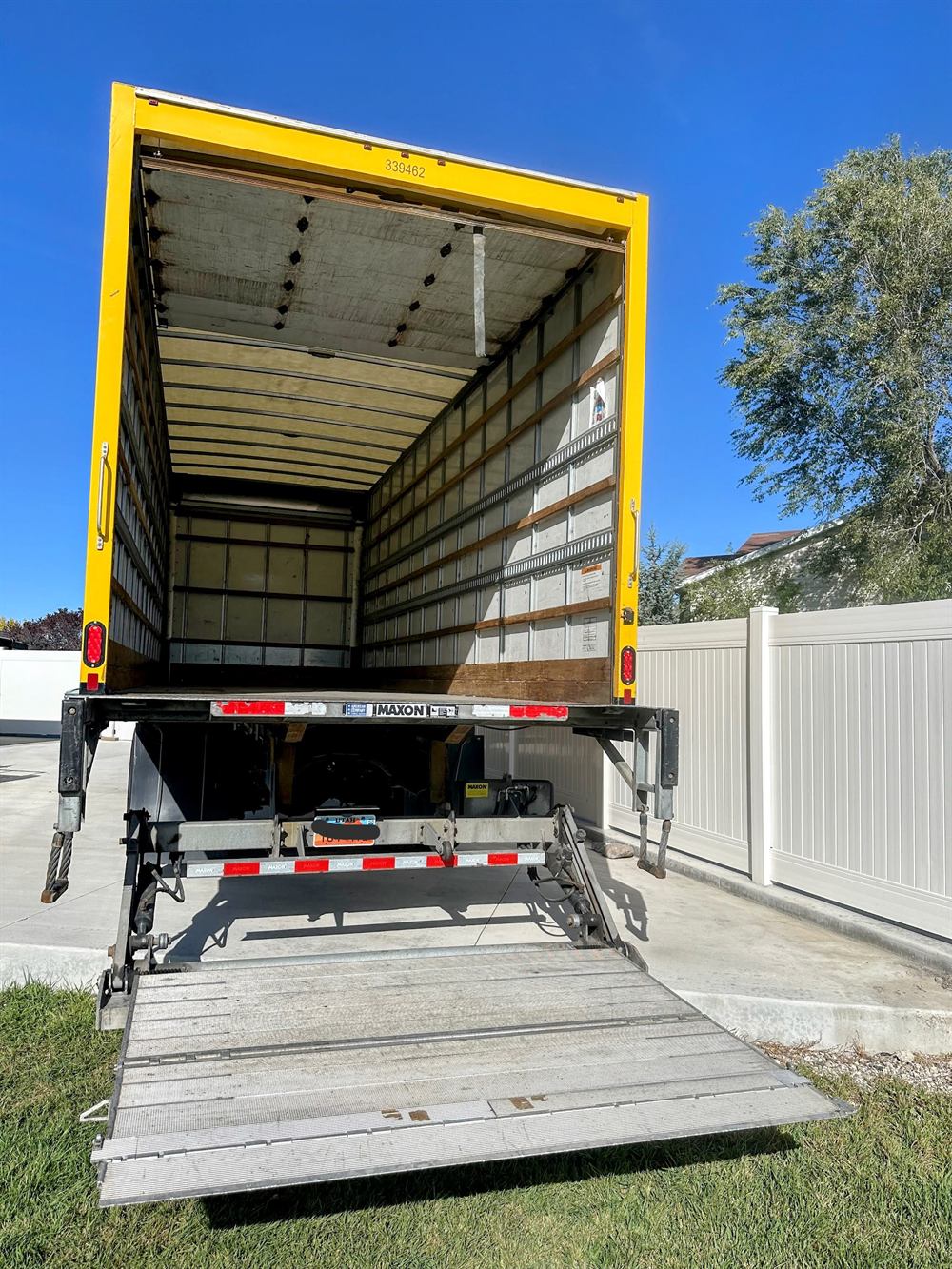
When do you need liftgate delivery?
Ask two questions about your delivery point:
- Is there a loading dock? If yes, the truck backs up and freight rolls straight off. If no, move to question two.
- Is there a forklift on site? If yes, it can lift pallets down from the truck. If no, you need a liftgate.
In practice, that describes a huge share of real-world destinations: storefronts, restaurants, clinics, job sites, offices, self-storage units, event venues, and most residential addresses. Plenty of businesses receive palletized freight only occasionally and were never built to receive it.
What happens without one
Freight that arrives without the right unloading plan doesn't get delivered. Common endings: the shipment rides back to the terminal and waits (adding days and often re-delivery fees), the receiver improvises an unsafe manual unload, or product gets damaged coming off the truck. In freight, a failed final step undoes everything that went right before it.
If you're booking through a national carrier, liftgate service is typically an add-on you must request in advance, and it's one of the most commonly missed details in freight booking. Whoever quotes your shipment should ask about docks at both ends. If they don't, ask them why not.
How we handle it
At Bambara Logistics, the liftgate and pallet jack aren't accessories; they ride on every run. Every delivery we quote already includes the ability to get freight safely to the ground and moved to the dock, curb, or threshold. One less detail for you to remember, one less way for a delivery to fail.
Worth knowing the boundary, too: liftgate delivery gets freight safely to the ground and to the threshold. It doesn't include in-home setup, unpacking, or installation. That's a different kind of service (called white-glove), and we'll say so plainly if that's what your situation needs.
Quick answers
Does my shipment need a liftgate at pickup, too?
Same two questions: dock or forklift at the pickup point? If neither, the liftgate loads your freight the same way it unloads it.
How heavy can a liftgate handle?
Ratings vary by gate. Our setup handles standard palletized commercial freight within our truck's 10,000-pound total payload. Tell us your pallet weights in the quote form and we'll confirm fit honestly.
Is liftgate delivery slower?
Marginally. A liftgate unload takes a few extra minutes versus a dock. It's dramatically faster than a failed delivery.
No dock? Tell us about the delivery.
Liftgate and pallet jack are on every Bambara run. Quotes usually come back the same business day.
Get a Quote